









The Slow Shape of Progress
A reflection on patience, attention, and the forms of growth that modern life increasingly struggles to value.




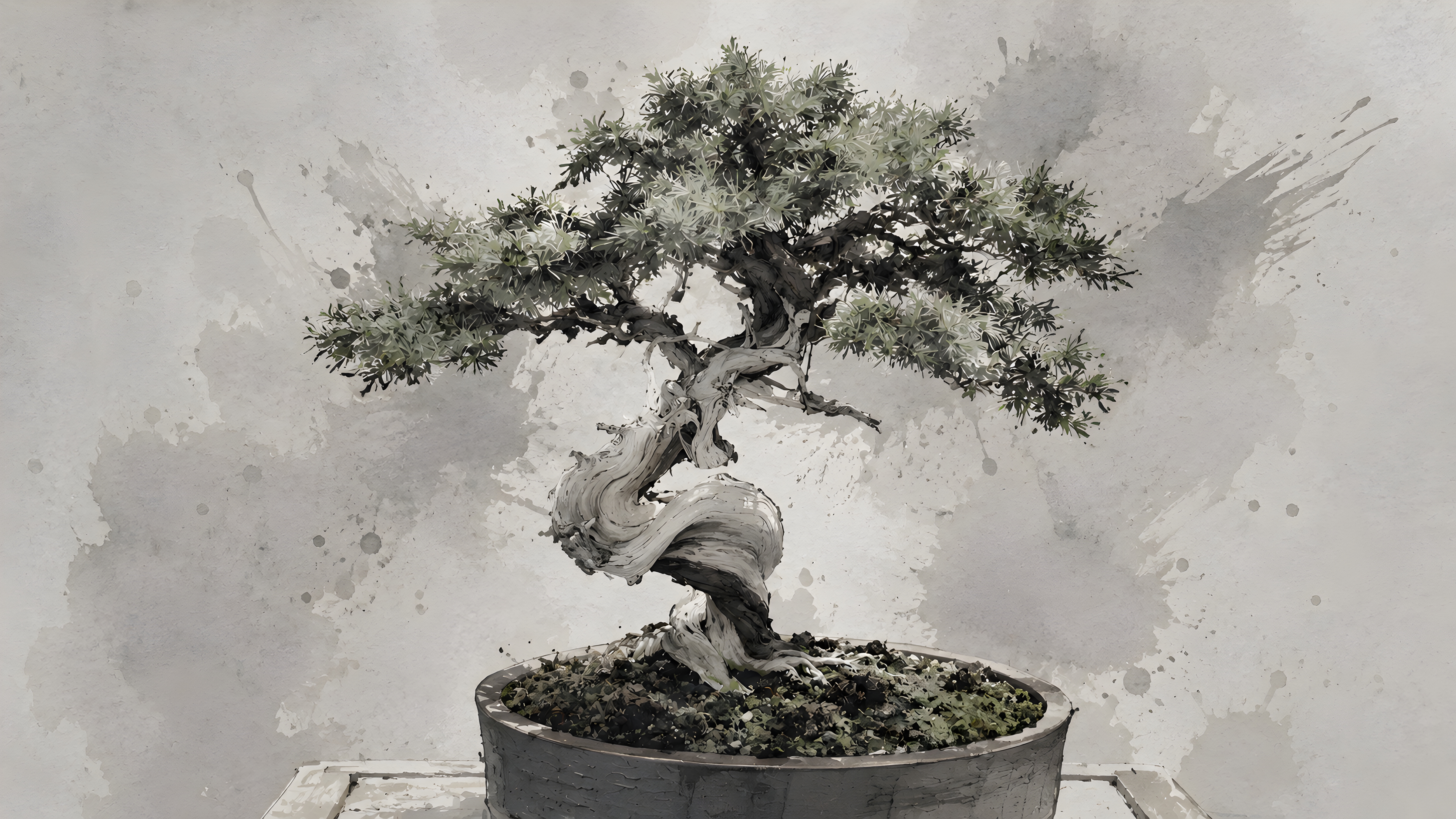
Some of the most important forms of progress — judgment, trust, resilience, strategic thinking — develop slowly and often invisibly. Bonsai serves as a reminder that meaningful growth rarely happens instantly, and that sustained attention may be one of the most undervalued forms of care left in modern life.
My husband and I spent part of this past weekend wandering through the National Arboretum in Washington, D.C., including the National Bonsai & Penjing Museum and its surrounding regional collections. The timing happened to coincide with World Bonsai Day and the Potomac Bonsai Festival, which gave the gardens a quiet sense of movement and attention. The entire place felt softened somehow. Light filtered through the trees in a muted haze. Gravel paths curved slowly between collections. Everything felt deliberate, restrained, and deeply patient, as though the pace of the outside world had briefly loosened its grip.
I found myself lingering for a long time around a Juniper in the North American collection. It was not the oldest or most dramatic tree there. In fact, part of what made it compelling was how understated it seemed at first glance. But the longer I stood there, the more visible the years became. Every bend, scar, imbalance, and correction reflected sustained attention over time. Not perfection exactly, but careful shaping. The tree felt less designed than guided slowly into itself.
It struck me how different that philosophy feels from much of modern life, particularly modern work, where so many systems now reward immediacy above almost everything else. Instant reactions. Instant visibility. Instant progress. Entire professional environments now seem optimized for speed, responsiveness, and constant participation while quietly discouraging patience, ambiguity, and long periods of gradual improvement that may not immediately produce visible results. There is pressure to appear in motion at all times, even when the work that matters most often develops slowly and invisibly beneath the surface.
Bonsai operates according to almost the opposite logic. Growth is not rushed because rushing would distort the shape itself. Progress unfolds unevenly. There are seasons of visible change and long periods where very little appears to happen externally at all. Yet the shaping continues quietly through careful pruning, restraint, repetition, and sustained attention. The process depends on remaining committed long enough for gradual adjustments to accumulate into something meaningful over time.
It got me thinking about how many important forms of human and professional development follow a similar pattern. Judgment develops slowly. Trust develops slowly. So does taste, resilience, strategic thinking, and the ability to remain calm inside complexity. Meaningful progress can initially look unimpressive from the outside because depth rarely announces itself while it is still forming.
Modern professional life increasingly rewards forms of progress that are immediately visible or measurable, but many of the qualities that matter most over time resist measurement while they are still taking shape. Judgment, discernment, emotional resilience, trust, perspective — these forms of growth often develop quietly, through repetition, uncertainty, setbacks, and sustained attention. Entire careers can quietly drift toward managing visibility instead of shaping depth. The pressure to appear productive begins competing with the deeper work of actually becoming better.
Walking through the gardens, I kept returning to the idea that attention itself may be one of the most undervalued forms of care left in modern life. Not reactive attention, but sustained attention. The kind that remains long enough to understand something before reacting to it, and that allows complexity to unfold gradually instead of forcing everything immediately into performance, certainty, or visible outcomes.
The bonsai were not simply reminders of patience. They were quiet evidence that some forms of growth only emerge slowly, shaped almost imperceptibly over time, until eventually the years themselves become visible in the structure.